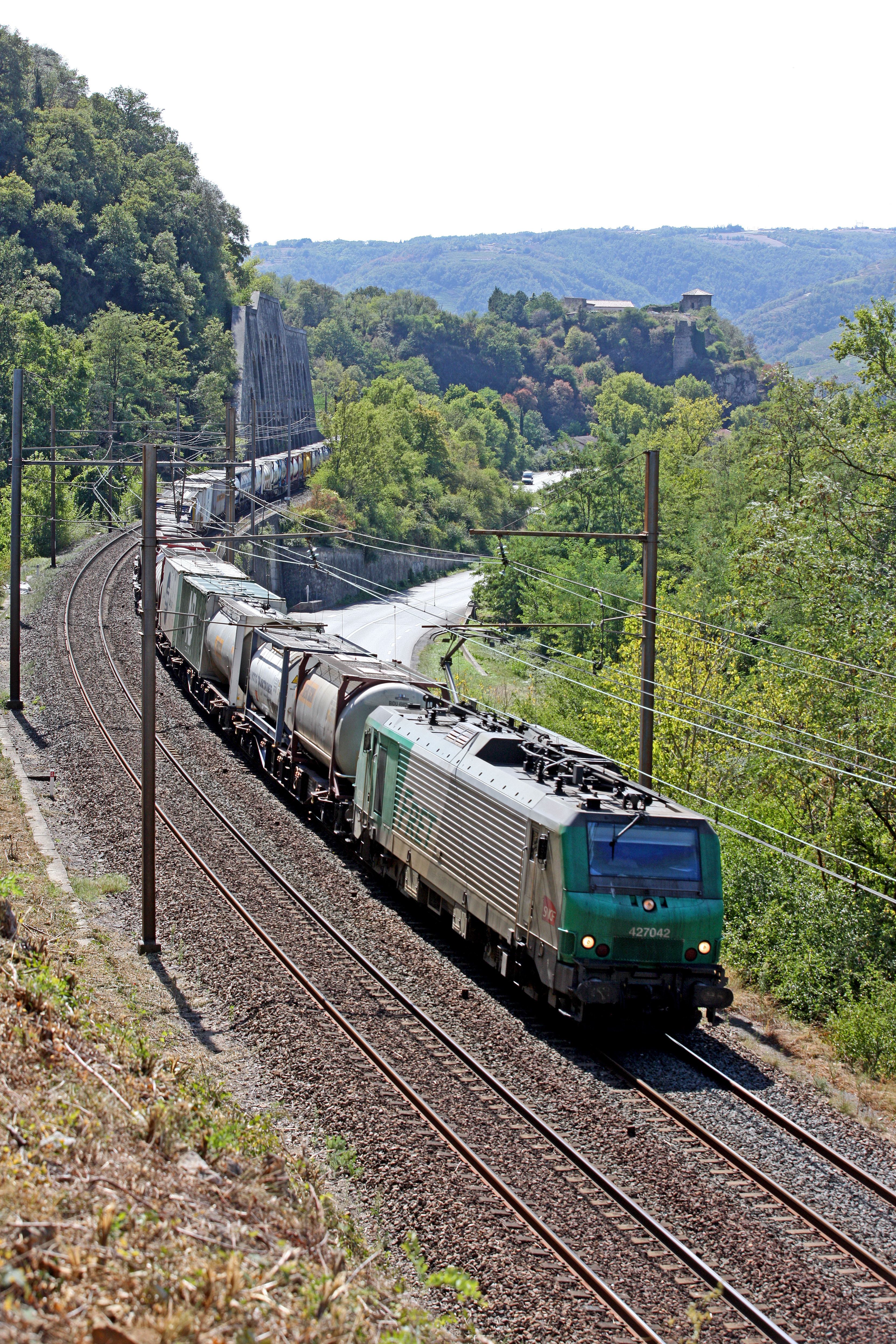
For freight
The Lyon–Turin will provide a more efficient and robust infrastructure, specifically designed to accommodate significant and regular freight traffic. This new line will enable:
- The development of a railway motorway service (similar to the "Eurotunnel," allowing the transport of entire trucks);
- Reduced travel times for freight trains;
- Improved operational reliability, thanks to high-performance infrastructure designed to sustainably handle increasing traffic flows;
Increased capacity, allowing for a significant rise in transported volumes.
By combining a robust infrastructure with an innovative freight service, the Lyon–Turin will enable massified and economically competitive rail transport between France and Italy.
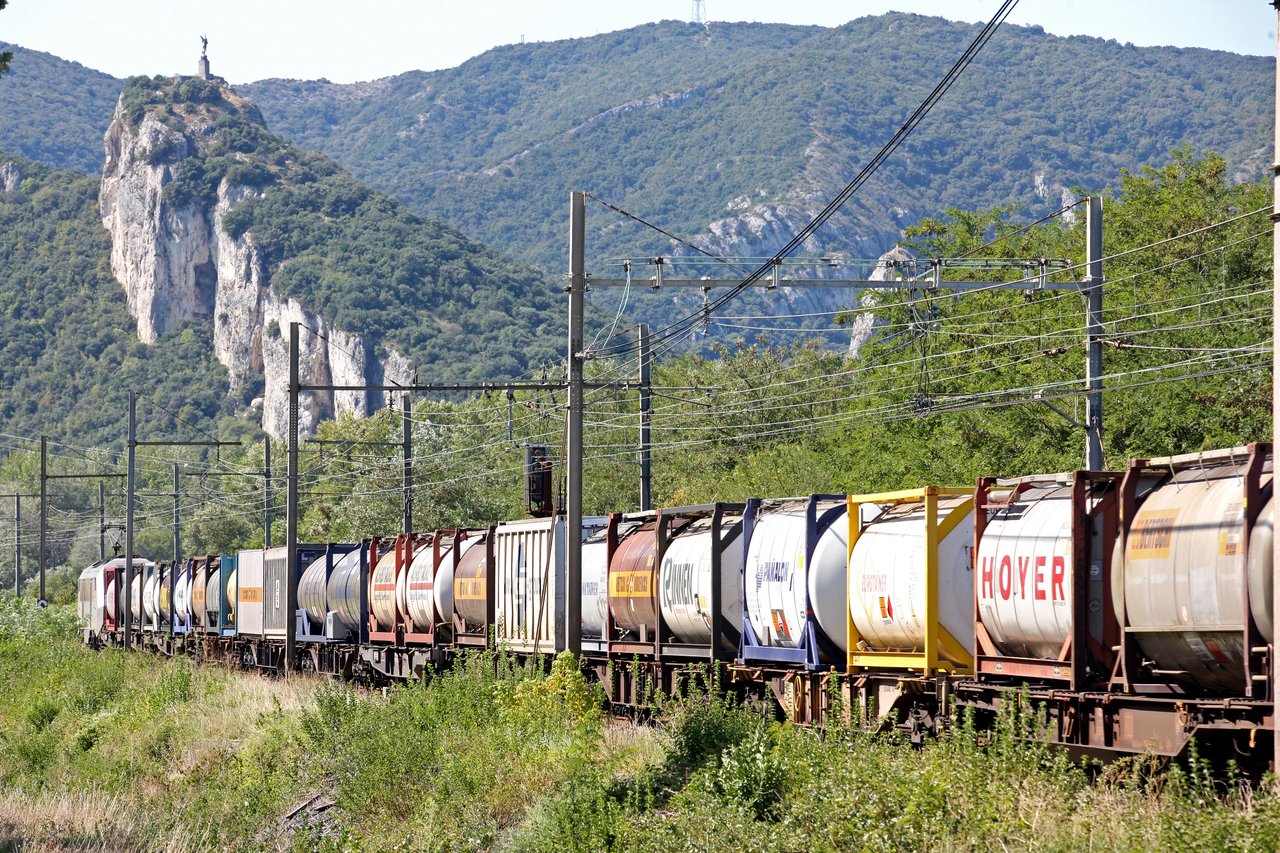
For passengers
Faster journeys across the Alps, and easier daily travel at all levels:
- Regional: Accelerated service to major urban areas and increased capacity for trains on the existing network.
- National: Quick and easy access to the Northern Alps.
- International: Strengthened connections between major cities, particularly Paris and Lyon to Milan and Turin.

For the region
Fewer trucks on Alpine roads: The Lyon-Turin will significantly reduce heavy truck traffic on mountain roads by developing rail freight transport with large loading capacity, allowing entire trucks to be loaded onto trains. Nearly one million trucks per year could be shifted from road to rail, helping to ease congestion.
Reduced greenhouse gas emissions: By providing a modern, high-performance infrastructure adapted to European flows, the Lyon-Turin will encourage the shift of both freight and passengers to rail—a low-emission, energy-efficient mode of transport. This modal shift will directly contribute to ecological transition goals and CO₂ reduction (Note: Rail transport consumes 6 times less energy and emits 9 times fewer greenhouse gases than road transport – source: ADEME). It will also improve quality of life in Alpine valleys by reducing air pollution and traffic noise (60% of the new line will be underground).
Supporting rail-based trade growth: With freight traffic in Europe expected to rise by 40% by 2050 (source: French National Low-Carbon Strategy), the Lyon-Turin is a strategic link to absorb this growth while prioritizing rail—a more sustainable and climate-friendly transport solution.